
MITIGATING THE THREATS OF A CHANGING WORLD
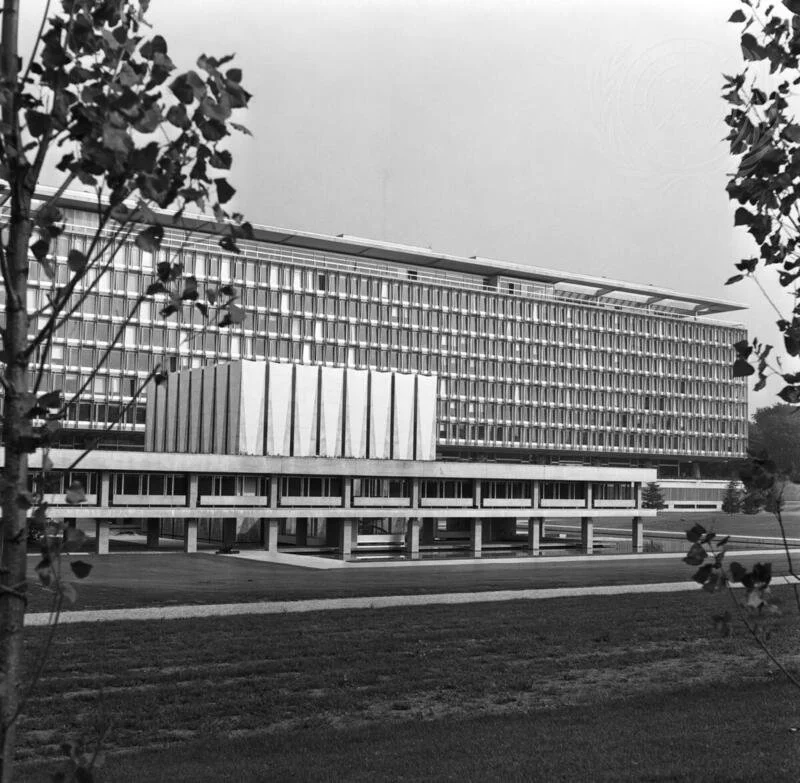
The World Health Organization (WHO) is the specialized agency of the United Nations (UN) responsible for directing and coordinating authority on international public health. The mission of this agency is to set global health standards, coordinate response on emerging health threats, help countries strengthen their healthcare systems, and track global health trends.
This double delegate committee will focus on addressing two topics: Topic A, the impact of changing weather patterns on infectious diseases, and Topic B, the growing threat of antimicrobial resistance. Topic A invites delegates to investigate how the forces of climate change, temperature changes, shifts in precipitation rates, and the higher frequency of natural disasters influence the spread of infectious diseases and spawn new challenges for the UN in tackling these emerging threats. Delegates will be encouraged to develop strategies for disease surveillance, prevention, and coordinating responses between member nations. The Topic B will address antimicrobial resistance, in which microorganisms evolve to resist medicines, such as antibiotics, that are used to treat diseases. Delegates will examine the cause of this resistance, how antibiotic medicines can be used responsibly in the global community, and strategies for preserving the efficacy of these medicines.
As the world faces increasingly unpredictable health threats, delegates must navigate the balance between scientific advancement, access to healthcare, and international cooperation. Through debate, delegates will work to tackle the challenges of a changing world and disease that transcends borders in efforts to keep humanity ahead of the next global health crisis.